
Common mistakes when using lizard repellent include applying it far from entry points and neglecting high-traffic zones lizard repellent spray, which reduces effectiveness. People often use products unsuited for their environment, such as indoor repellents outdoors or in damp areas. Many ignore recommended application frequency and timing, weakening barriers against lizards. Poor surface preparation and expecting immediate results also undermine success. Understanding these errors is key to improving control and reducing unwanted lizard presence. More details follow for best use.
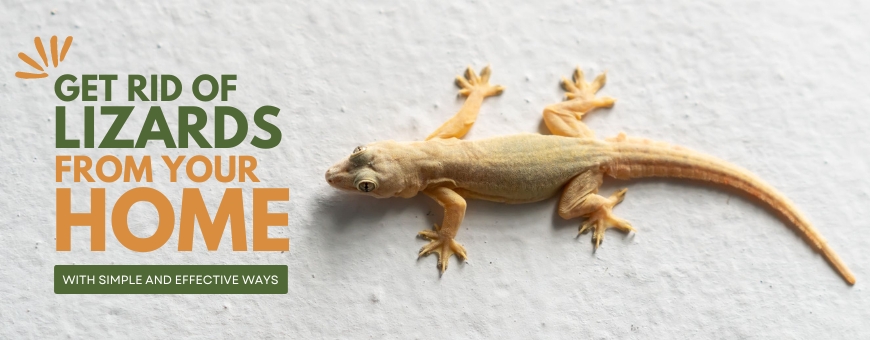
Applying Lizard Repellent in the Wrong Areas
When lizard repellent is applied in inappropriate locations, its effectiveness markedly diminishes Proper placement is essential to maintain open, lizard-free spaces where individuals can move freely without concern.
Applying repellent far from entry points https://igreenasia.com/, such as windows, doors, or cracks, allows lizards to bypass treated zones easily. Similarly, neglecting areas where lizards commonly rest or hide—like under furniture, near water sources, or behind appliances—limits the repellent’s reach.
Strategic application targets these high-traffic zones, creating barriers that discourage lizard presence without confining human activity. Misplaced repellent not only wastes product but also undermines the goal of reclaiming one’s environment from unwanted intruders.
Maintaining freedom in living spaces depends on precise, thoughtful application that respects the natural movement patterns of lizards.
Using Repellents That Don’t Suit Your Environment
In environments with varying humidity, temperature, and structural features, selecting an incompatible lizard repellent can markedly reduce its effectiveness. Repellents formulated for dry, indoor settings often fail outdoors or in damp, humid areas where lizards thrive.
Similarly, sprays that rely on volatile compounds may dissipate too quickly in open air, offering limited protection. Choosing a repellent without considering the specific environmental conditions restricts one’s ability to maintain a lizard-free space.
It is essential to match the repellent’s properties to the surroundings—whether indoor, outdoor, dry, or moist—to guarantee sustained impact. Freedom from lizard intrusion depends on this alignment, as improper product choice wastes effort and leaves spaces vulnerable to reentry.
Ignoring Application Frequency and Timing
Selecting the appropriate repellent for the environment is only part of effective lizard control; proper application frequency and timing markedly influence results. Many users fail to reapply repellents as directed, reducing their efficacy and allowing lizards to return. Consistent application at recommended intervals maintains a continuous barrier, deterring lizards more reliably.
Timing applications to coincide with peak lizard activity—often dawn and dusk—enhances repellent impact. Neglecting these factors can lead to wasted effort and persistent lizard presence.
Understanding and adhering to product guidelines guarantees maximum benefit, preserving personal freedom from unwanted intrusions. Ultimately, disciplined application frequency and strategic timing are essential for lasting lizard control, empowering users to enjoy their spaces without interruption.

Overlooking Surface Preparation Before Applying Repellent
Before applying lizard repellent, ensuring the surface is properly prepared is essential for peak effectiveness.
Surfaces covered in dust, dirt, or grease can prevent the repellent from adhering correctly, reducing its ability to deter lizards.
Cleaning the area thoroughly with a mild detergent and allowing it to dry completely creates an ideal base for application.
Additionally, repairing cracks or crevices where lizards may hide enhances the repellent’s reach.
Skipping this step often leads to wasted product and diminished results.
Proper surface preparation empowers individuals to maximize the repellent’s potential, reinforcing their control over unwanted lizard intrusions and supporting a freer, more comfortable living environment.
Expecting Instant Results Without Patience
Frequently, users anticipate immediate effects after applying lizard repellent, overlooking the time required for the product to work effectively. This impatience often leads to unnecessary reapplications or abandoning the method prematurely.
Lizard repellents typically need time to create an environment that deters these creatures. Expecting instant results disregards the natural behavior of lizards and the product’s mode of action. A measured approach, allowing the repellent to settle and interact with the surroundings, is essential.
Freedom from lizard presence comes not from haste but from consistent, patient application and environmental awareness. Recognizing that prevention is a gradual process empowers users to maintain control without frustration, ensuring a sustainable solution rather than a temporary fix.
Conclusion
Common mistakes in using lizard repellent often reduce its effectiveness. Applying the product in inappropriate areas, choosing repellents unsuited to the environment, and neglecting the recommended frequency and timing can all hinder desired results. Additionally, failing to properly prepare surfaces before application compromises performance. Patience is essential, as expecting immediate outcomes may lead to premature discontinuation. Awareness of these factors guarantees more successful and lasting lizard control measures.
…